At a glance
- Save both names at an interchange: Asok/Sukhumvit, Sala Daeng/Si Lom and Makkasan/Phetchaburi.
- Choose the destination entrance as well as the train line; the final walk can change the best route.
- Verify each system's ticket instructions and the last usable connection for the entire journey.
Start with the door you need to reach
A Bangkok rail journey has three moving parts: the train ride, the interchange and the walk beyond the final gate. Planning only the coloured lines can leave the hardest decision until arrival, especially when a destination has several entrances or a station connects with another system under a different name. Start with the actual address and entrance, then work backwards to a suitable station exit.
This guide focuses on commonly used BTS, MRT Blue Line and Airport Rail Link connections. It explains how to assemble a journey from verified station information. The examples are route-planning options, rather than claims about today's service conditions or the fastest possible itinerary.
Keep the line change separate from the street exit
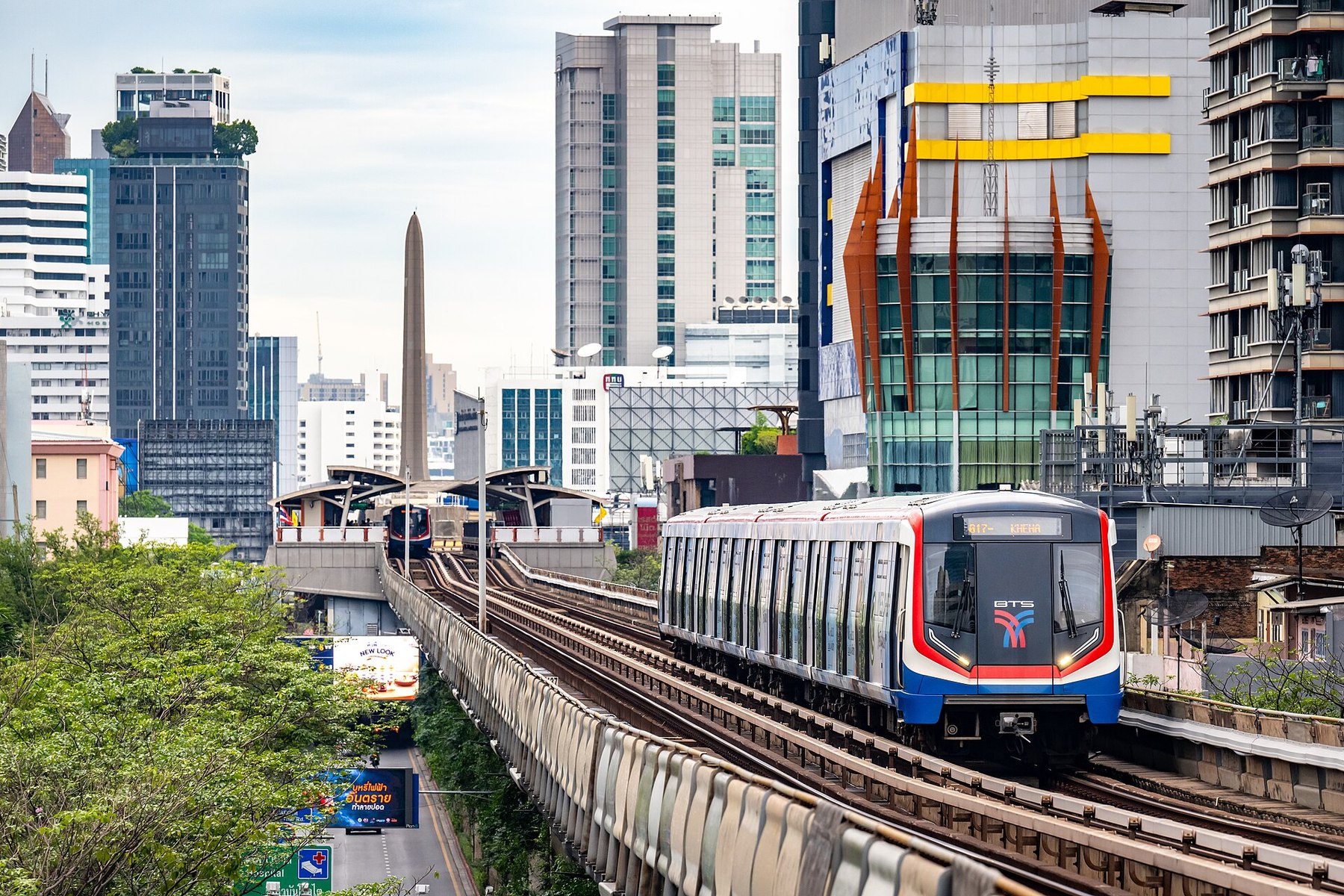
Within the BTS network, the Sukhumvit and Silom lines meet at Siam. A route involving those two lines therefore needs a train change there, followed by a separate decision about which exit to use at the destination. BTS's official route planner offers origin and destination selection, travel information, station-area maps and facilities. Those layers answer different questions: how to reach the station, and how to get from its concourse to the place you want.
For a traveller with luggage or a mobility requirement, the second question can decide the route. Compare the walking connection and needed facilities before choosing between similar itineraries. A shorter train ride is not automatically the easier overall journey if it adds an awkward interchange or a longer final approach. This is a planning trade-off, not a measured ranking of Bangkok routes.
Learn both names at the interchange
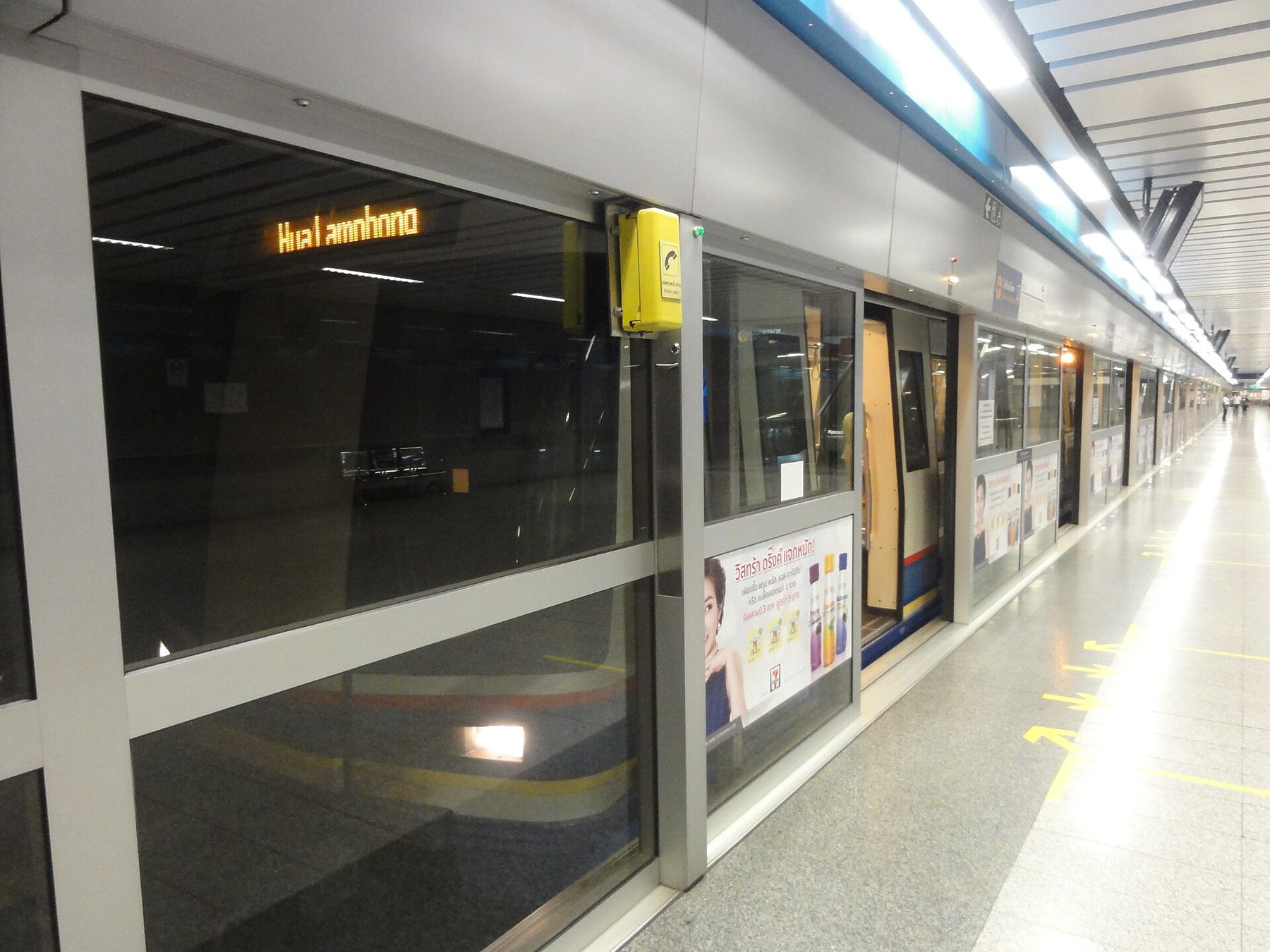
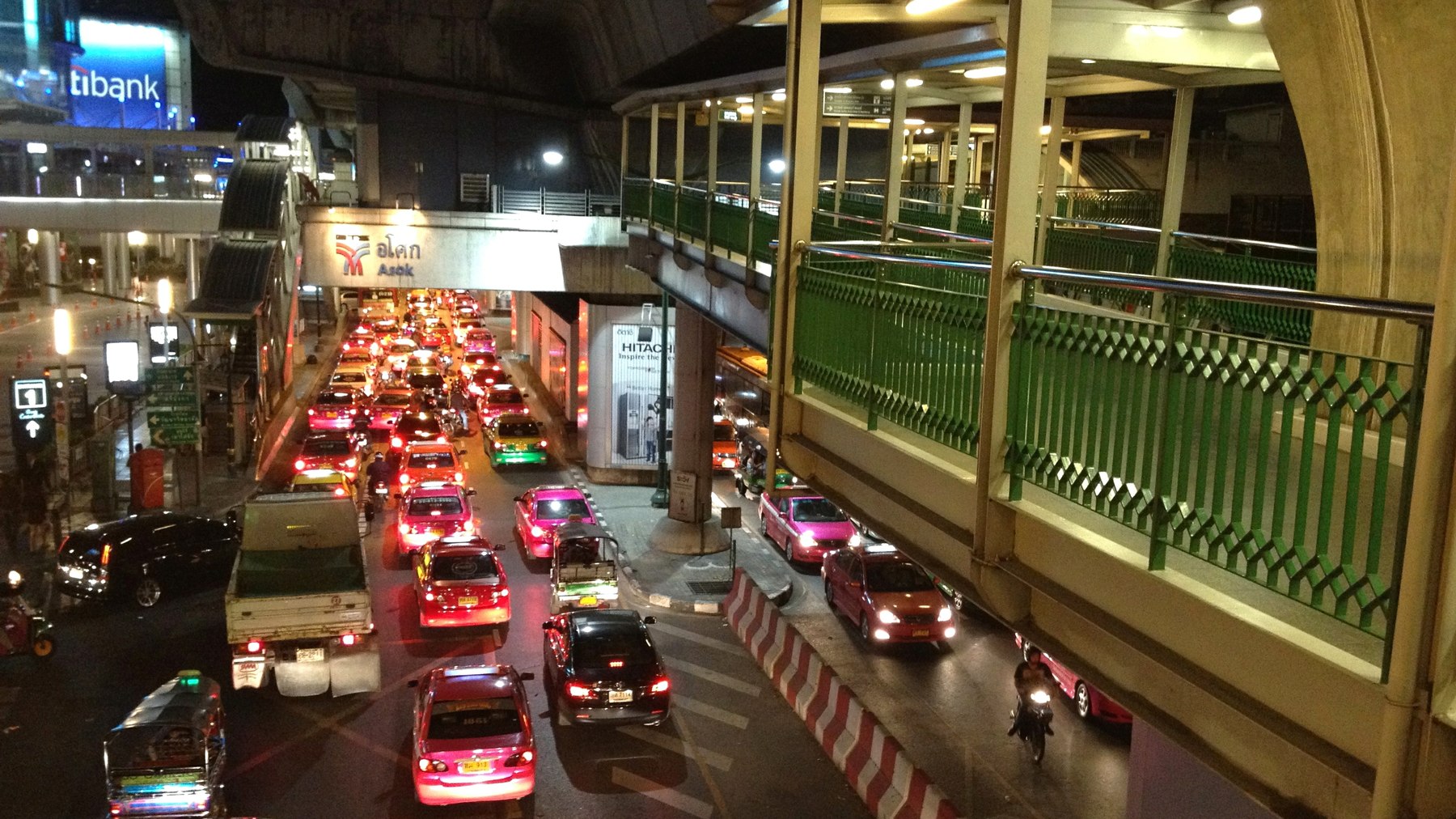
Three central connections are particularly useful to recognise. BTS Asok connects with MRT Sukhumvit, station BL22. BEM's Sukhumvit station page directs passengers towards BTS Asok through Exit 3. BTS Sala Daeng connects with MRT Si Lom, BL26, whose official page identifies Exit 2 for the BTS connection. Airport Rail Link Makkasan connects with MRT Phetchaburi, BL21; the Phetchaburi page identifies Exit 1 for Makkasan.
Save both names in your itinerary. When moving between Makkasan and Phetchaburi, for example, the change in wording is expected. It does not mean you have necessarily followed the wrong route. Station codes add another useful check, particularly when matching an operator's map to platform or concourse signs. Exit information helps orient the transfer, while on-site signs remain necessary for the actual path.
An airport arrival, worked through
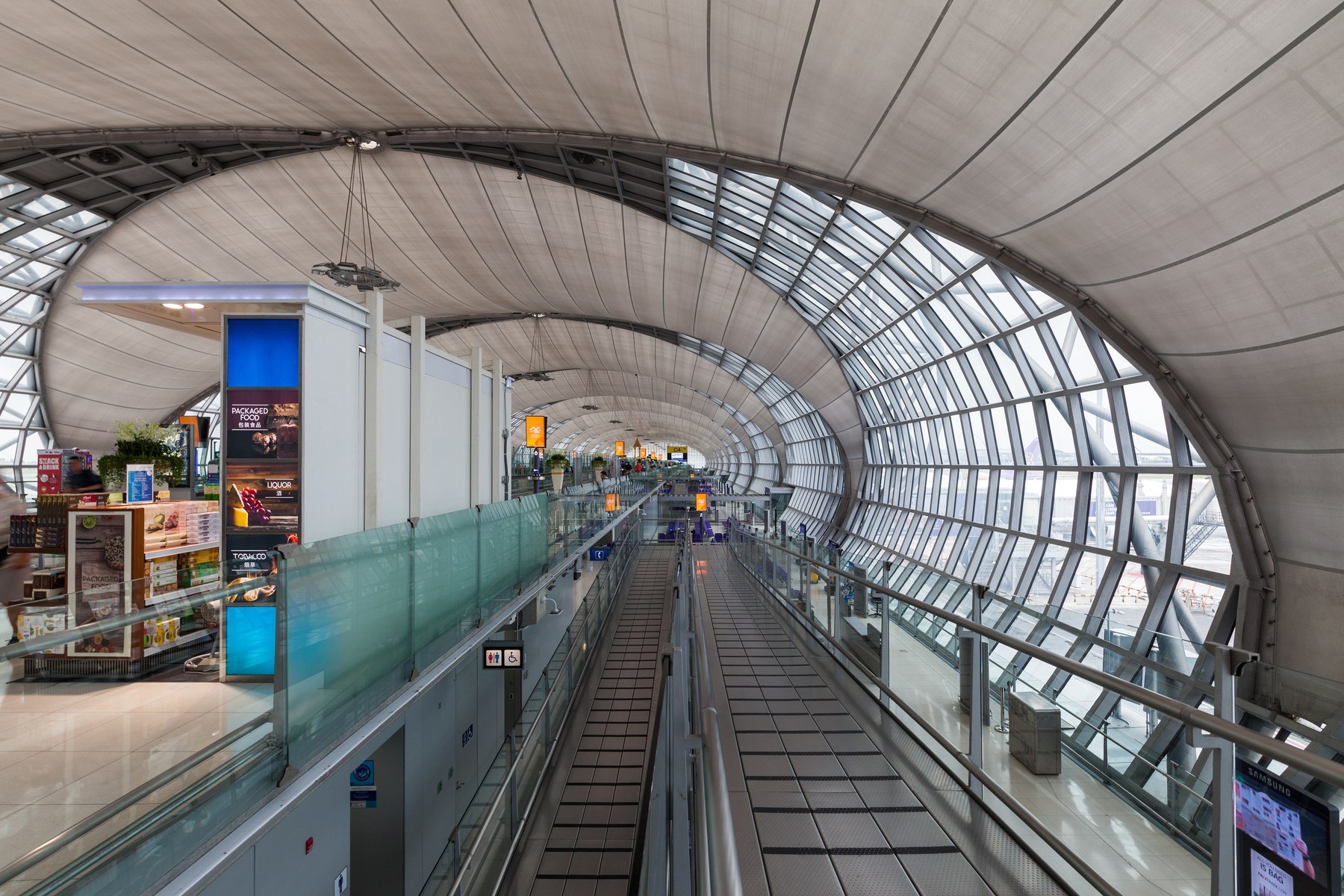
Consider arriving at Suvarnabhumi and heading for the Asok area. Thailand's government travel information identifies the Airport Rail Link station in the airport basement and lists Makkasan as its connection with MRT Phetchaburi. One route to assess is therefore the Airport Rail Link to Makkasan, the connection to Phetchaburi, and the Blue Line to Sukhumvit. BEM's station sequence places Phetchaburi and Sukhumvit next to each other.
At Sukhumvit, choose the exit according to the address: the official page lists Terminal 21 and BTS Asok under Exit 3. Continue onto BTS only if the destination calls for it. For a different destination, compare continuing on the Airport Rail Link to Phaya Thai, where the government guide identifies a BTS connection. The useful comparison is the whole trip, including transfers and walking, rather than an automatic rule that every airport passenger should leave the train at the same station.
Treat payment as part of the route
A transfer symbol does not establish what a ticket covers. Check the payment instructions for each system in the itinerary before entering its gates. BTS's conditions say a single-journey ticket covers the selected journey and must be used within service hours on its purchase date; each ticket is for one passenger. Buying a ticket for one leg should therefore be a deliberate step in the plan.
BEM's single-journey token is touched at entry and deposited in the exit-gate slot. Its contactless guidance for the Blue and Purple lines instructs passengers to use one eligible card per person and the same card at entry and exit. Eligibility depends on the card arrangements listed by BEM, so a contactless symbol alone is not enough to assume acceptance. These instructions are specific to that service; check the next operator's rules when transferring.
Check the final connection before the first boarding
For a late journey, work backwards from the final leg. BEM's official fare-and-journey page includes a date-specific first-and-last-train lookup. A train that still runs on the first line is useful only if it delivers you to a connection you can still make. Include time to leave one train, follow the transfer route and enter the next system.
Before departure, save a compact itinerary containing the boarding station, interchange names, destination exit and payment method for each leg. Check current operator notices and the journey date. That gives you enough structure to navigate confidently while leaving room to adjust if the final walk, a connection or the operating situation changes.
Sources: 7
What to know
Choose the destination entrance first, record both interchange names, and check tickets and the last connection for every leg. The best rail plan includes the walking between the trains.
About this reporting
AI-assisted research and drafting from the linked sources, with original explanatory analysis. No interviews or field visits are claimed. Photographs are dated archive images.
Corrections & updates
: Expanded with additional primary sources, analysis and licensed photographs. Original publication date retained.